
home > services > pat testing
EMERGENCY LIGHTING TESTING
Professional emergency lighting testing for businesses and commercial premises, including functional and annual duration testing. Get a quote from City PAT.
20 + YEARS
COMMERCIAL
MULTI-SITE
Emergency Lighting Testing & Servicing
Emergency lighting helps people find their way to safety if the normal lighting supply fails. City PAT provides emergency lighting testing and inspection for businesses, landlords and commercial premises, helping ensure systems remain operational, appropriately maintained and ready to function during an emergency.
What is Emergency Lighting?
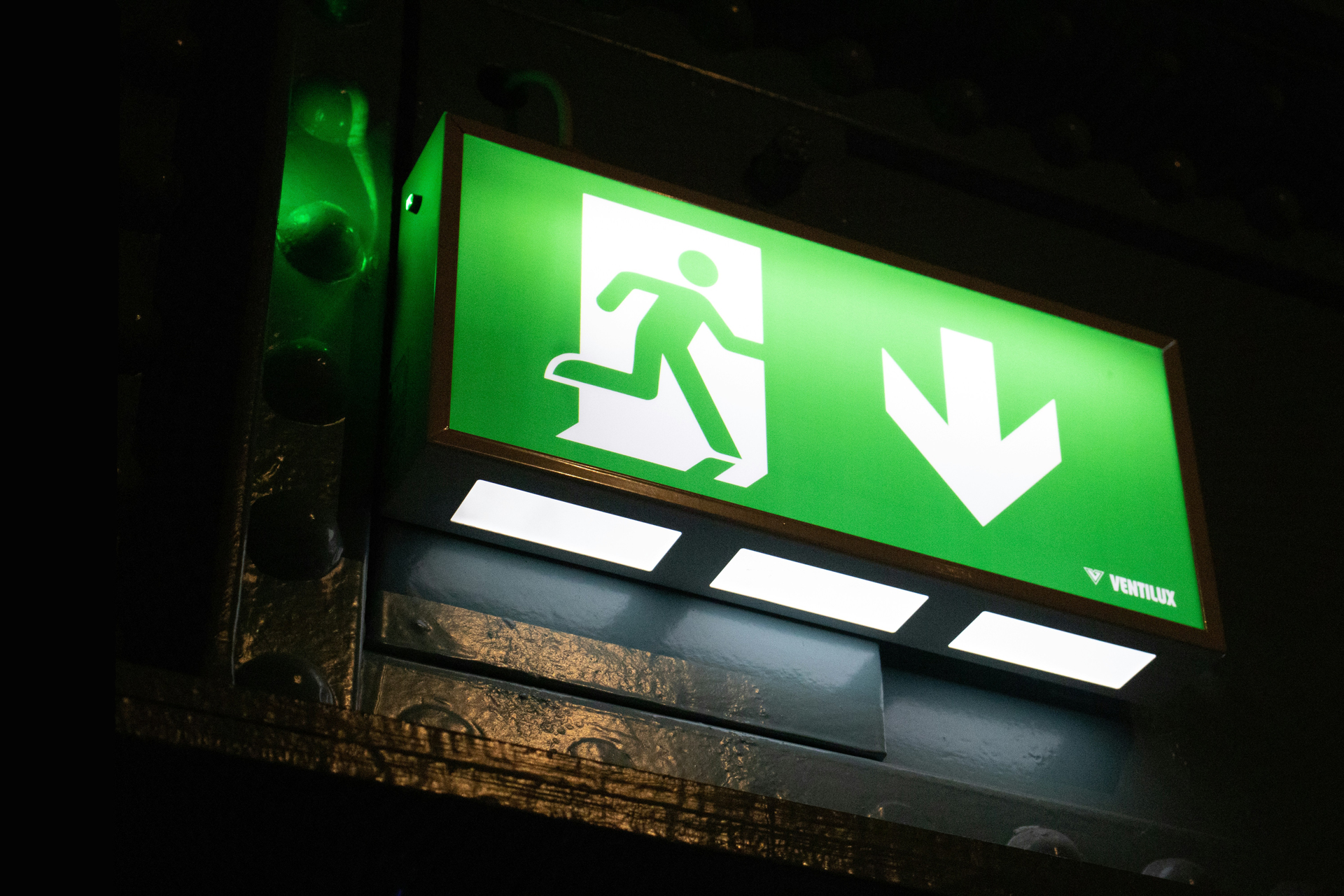
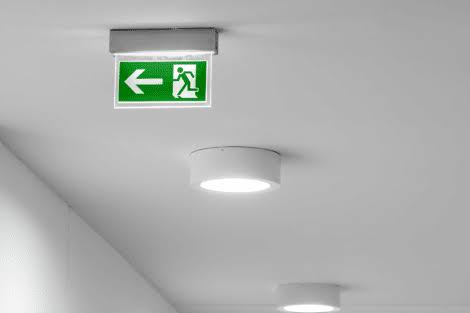
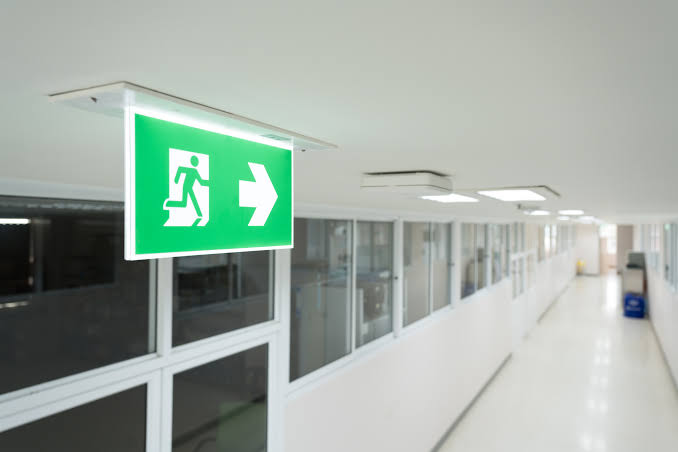
Emergency lighting operates when the normal electrical lighting supply fails.
Depending on the building and system design, emergency lighting may illuminate:
- escape routes
- corridors
- stairways
- changes in floor level
- emergency exits
- final exit doors
- open areas
- fire alarm points
- firefighting equipment
- safety equipment
Its primary purpose is to support safe movement and evacuation when normal lighting is unavailable.
The current UK code of practice is BS 5266-1:2025, which covers emergency lighting of premises and works alongside BS EN 50172:2024 and BS EN 1838:2024.
Why Does Emergency Lighting Need Testing?
An emergency light may appear perfectly normal until the mains supply fails.
Testing helps establish whether:
- the luminaire operates
- the battery functions correctly
- the light remains illuminated for the necessary duration
- charging systems are working
- fittings have been damaged
- equipment has deteriorated
- faults need attention
Regular testing reduces the likelihood of discovering a failed unit during an actual emergency.
How Often Should Emergency Lighting Be Tested?
Emergency lighting typically has different levels of testing.
Monthly functional test
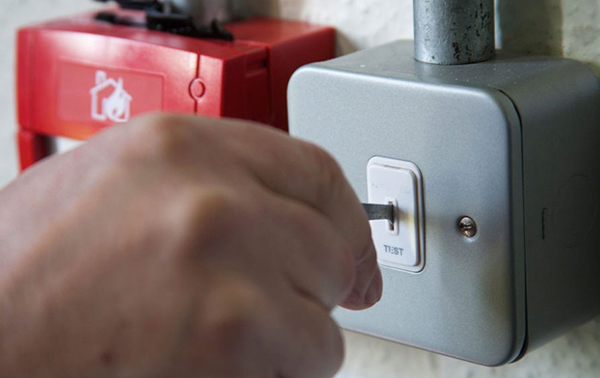
A short test simulates failure of the normal lighting supply and confirms that emergency luminaires operate.
Annual duration test
A more comprehensive test checks that emergency lighting can operate for its full rated duration.
For systems designed for three-hour operation, this is commonly known as the three-hour discharge or run-down test.
Current fire-service guidance recommends monthly testing and annual testing by a competent person, with results recorded.
Why is the Annual Three-Hour Test Important?
Emergency-light batteries lose capacity over time.
A fitting may illuminate successfully during a short monthly test but fail before the full emergency duration has elapsed.
The annual duration test helps establish whether the battery and luminaire can continue operating for the designed period.
Because batteries require time to recharge afterwards, the test should be appropriately scheduled to avoid leaving the premises without effective emergency-lighting provision.
What Does Emergency Lighting Testing Include?
epending on the premises and system, testing may include:
- visual inspection of luminaires
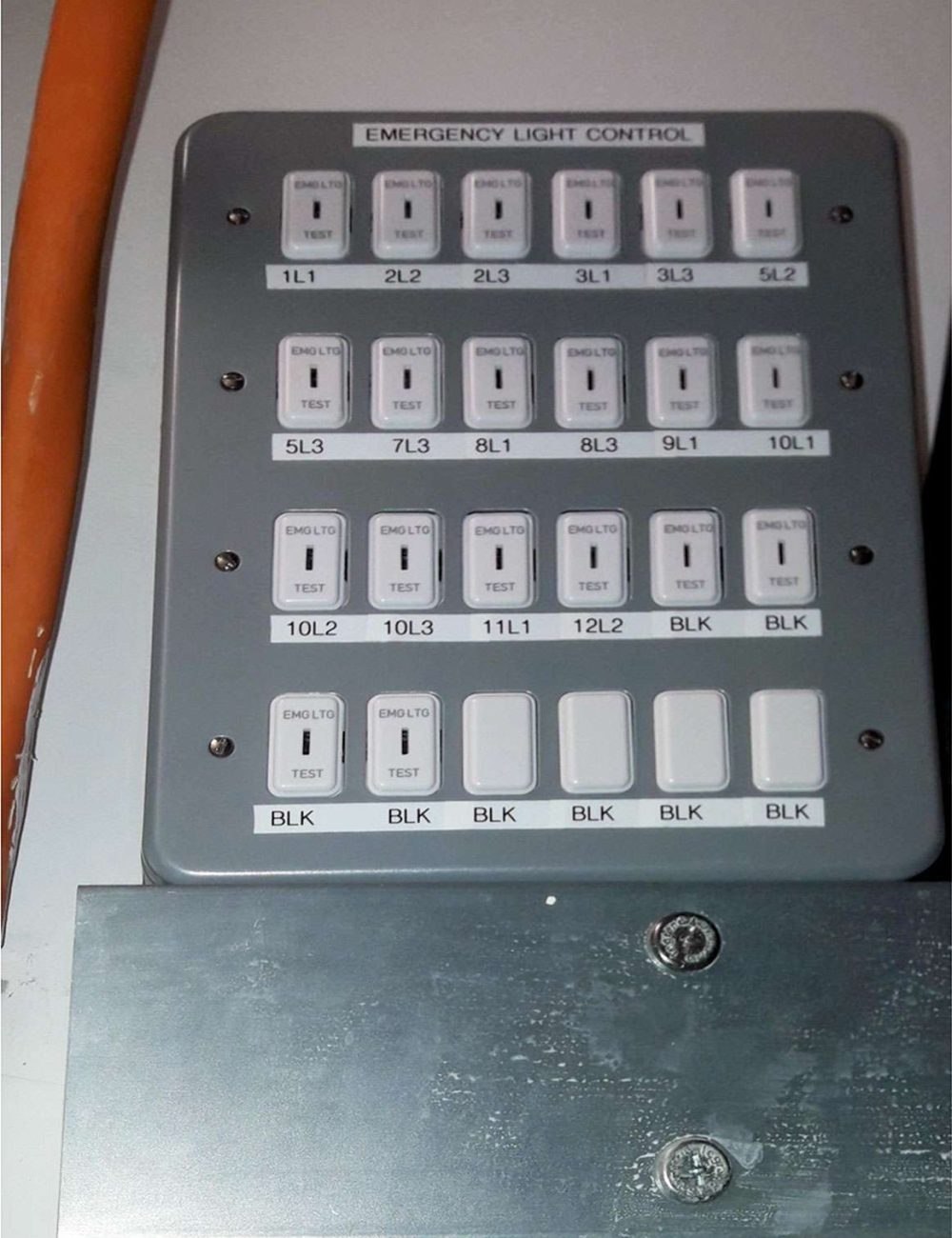
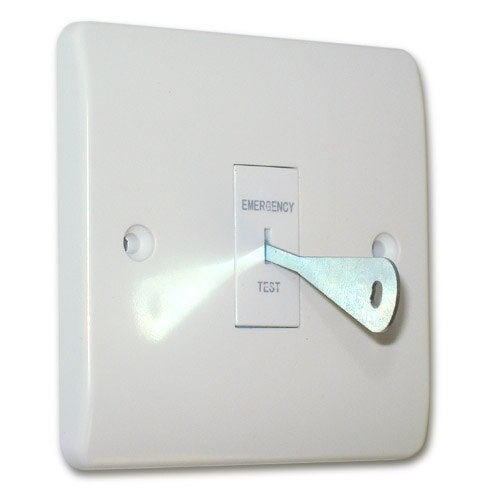
- operation of test facilities
- simulated mains failure
- checking emergency fittings illuminate
- duration testing
- battery performance
- indicator checks
- identification of damaged or failed units
- reporting of defects
- recording test results
Emergency Lighting and Fire Safety
In England and Wales, the Fire Safety Order requires the Responsible Person to provide and maintain appropriate fire precautions based on risk.
Means of escape and associated safety systems form an important part of those arrangements.
The old Fire Precautions (Workplace) Regulations 1997 wording currently shown on the City PAT Services page should therefore be removed from this new page. The existing page currently cites that superseded framework.
Who Needs Emergency Lighting Testing?
We can provide emergency-lighting testing for:
- offices
- schools
- hotels
- restaurants
- shops
- warehouses
- factories
- communal areas
- landlords and property managers
- public buildings
- healthcare premises
- multi-site businesses
Keep an Emergency Lighting Log
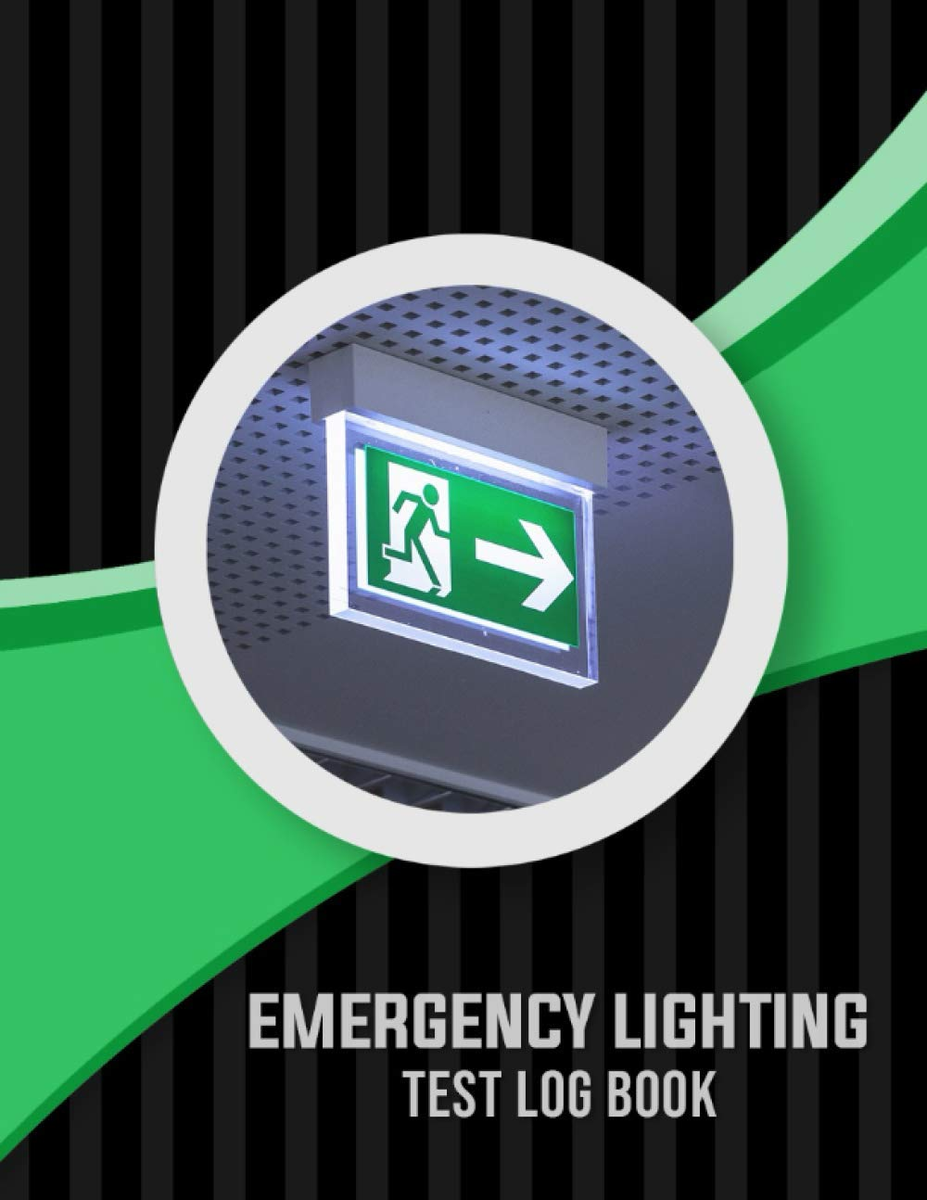
Routine tests, annual inspections, identified defects and remedial work should be recorded.
This creates a useful maintenance history and helps those responsible for the building monitor the system over time.
Emergency Lighting FAQs
A short functional test is commonly carried out monthly, with a full-duration test annually.
Many systems are designed for three-hour emergency operation, so the annual full-duration test may involve a three-hour discharge. The correct duration depends on the system design and applicable requirements.
Routine functional tests can often be carried out by an appropriate person on site. Professional inspection and annual testing should be undertaken by someone competent to assess the system.
The failed fitting or underlying fault should be investigated and appropriate repair or replacement arranged.
Emergency lighting is one of the fire-safety precautions that may be considered when assessing means of escape and fire risk.
Book Emergency Lighting Testing
If your emergency lighting is due for its annual duration test or you need help establishing a regular inspection programme, City PAT can help.
Contact us today for a free, no-obligation quote.