
home > services > pat testing
EICR & Fixed Wire Testing for Businesses and Properties
Established: 2005 Head Office: Harrogate, Yorkshire Coverage: Nationwide Services: Electrical & fire-safety compliance Customers: Businesses, landlords, education, hospitality, healthcare, construction and multi-site organisations.
20 + YEARS
COMMERCIAL
MULTI-SITE
What is an EICR?
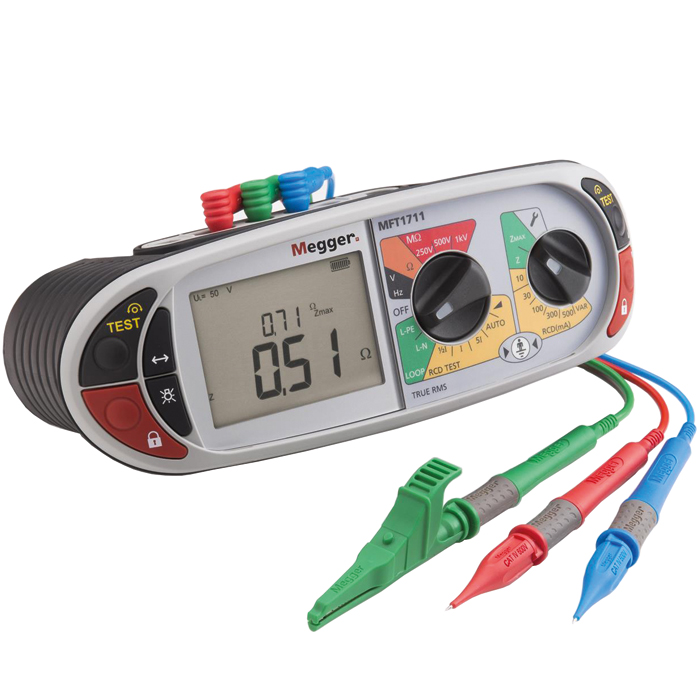
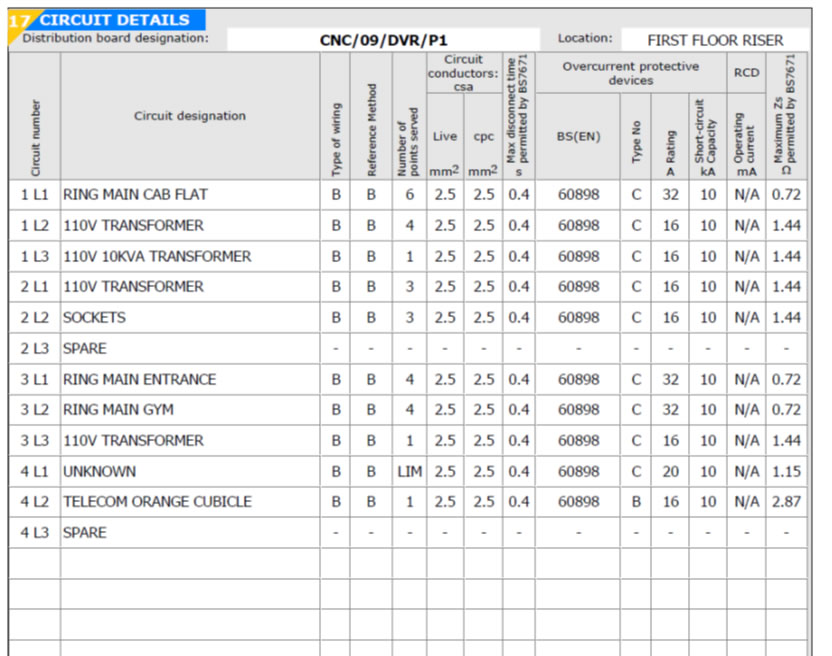
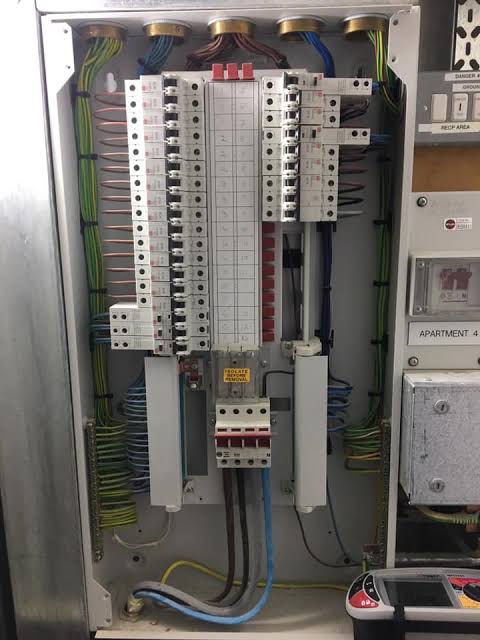
An EICR is a detailed inspection and test of the electrical installation within a property. Unlike PAT testing, which focuses primarily on electrical appliances and equipment, an EICR examines the fixed electrical installation. This can include: distribution boards and consumer units fixed wiring electrical circuits sockets switches lighting circuits protective devices earthing and bonding The purpose of periodic inspection and testing is to determine whether an electrical installation remains in a satisfactory condition for continued use.
What Does an EICR Check?
An EICR can help identify:
- deterioration caused by age or use
- potentially dangerous electrical defects
- damaged installations
- inadequate earthing or bonding
- overloaded circuits
- electric shock risks
- potential fire hazards
- defective electrical work
- observations requiring improvement or investigation
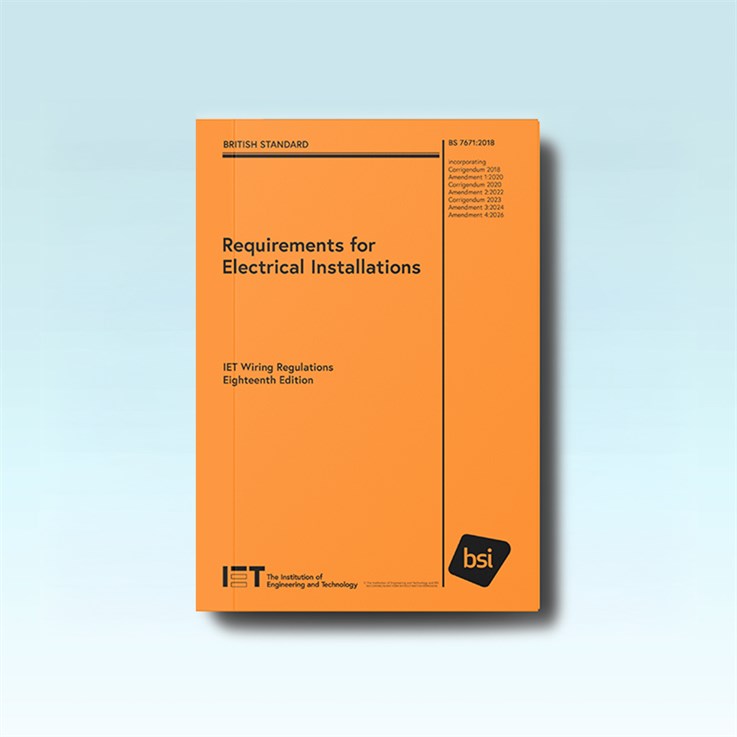
Electrical Safety First explains that periodic inspection checks an existing installation against BS 7671 and produces an EICR detailing the inspection, testing and any remedial action recommended.

What is the Difference Between PAT Testing and an EICR?
This is an important distinction.
PAT testing examines electrical appliances and portable equipment.
An EICR examines the fixed electrical installation supplying that equipment.
For example:
A computer, kettle or extension lead may fall within a portable appliance maintenance programme.
The socket, electrical circuit, distribution board and fixed wiring supplying them form part of the electrical installation assessed during an EICR.
Many businesses therefore require both forms of electrical safety management.
Is an EICR a Legal Requirement?
The answer depends on the type of property and applicable legislation.
For rented residential property, specific electrical safety regulations can require periodic inspection and testing.
For businesses and workplaces, employers have duties under electrical safety legislation to ensure electrical systems are maintained so far as necessary to prevent danger.
Rather than making a blanket statement that every commercial EICR is legally required at a fixed interval, the appropriate inspection regime should reflect the installation, its use, environment and previous inspection findings.
IET guidance confirms that inspection intervals depend on factors including the type of installation, how it is used, maintenance quality and external influences.
How Often Should an EICR Be Carried Out?
The appropriate period between inspections depends on the premises and installation.
Electrical Safety First recommends periodic inspection at least every five years for a business, while certain properties and environments may require more frequent inspection. The person conducting the inspection should recommend the appropriate date for the next assessment based on the installation and its condition.
What Do EICR Codes Mean?
An EICR can use classification codes to indicate the significance of observations.
C1 – Danger present
Immediate remedial action is required.
C2 – Potentially dangerous
Urgent remedial action is required.
C3 – Improvement recommended
An improvement is recommended but the observation does not have the same level of urgency as a C1 or C2.
FI – Further investigation required
Further investigation is required without delay where an issue cannot yet be fully determined.
The IET provides these classifications as part of current inspection and testing guidance.
What Happens After an Unsatisfactory EICR?
An unsatisfactory report does not mean the entire electrical installation necessarily needs replacing.
The EICR identifies observations and their classification.
Appropriate remedial or investigative work can then be arranged according to the findings.
Once safety issues have been properly addressed, relevant documentation should be retained with the original report.
Why Choose City PAT for EICR Testing?
City PAT has provided safety compliance services since 2005 and supports businesses ranging from individual premises to large organisations operating across multiple sites.
Our wider services also allow customers to coordinate EICR testing with PAT testing and fire-safety compliance requirements.
EICR Testing for Commercial Premises
City PAT can provide fixed wire testing for:
- offices
- shops
- schools
- restaurants
- hotels
- warehouses
- industrial units
- construction facilities
- healthcare settings
- landlords and property portfolios
- multi-site organisations
EICR FAQs
What does EICR stand for?
EICR stands for Electrical Installation Condition Report.
Is fixed wire testing the same as an EICR?
Fixed wire testing or periodic inspection and testing commonly refers to the inspection process that results in an Electrical Installation Condition Report.
How long does an EICR take?
The time required depends on the size, complexity, accessibility and condition of the electrical installation.
Will power need to be switched off?
Some testing may require circuits to be isolated. Site requirements should therefore be discussed when scheduling the inspection.
Does an EICR include PAT testing?
No. PAT testing and EICR testing assess different parts of the electrical system, although City PAT can provide both services.
Book an EICR or Fixed Wire Inspection
Need an EICR for a business, commercial building, property portfolio or rental property?
What is the Difference Between PAT Testing and an EICR?
This is an important distinction.
PAT testing examines electrical appliances and portable equipment.
An EICR examines the fixed electrical installation supplying that equipment.
For example:
A computer, kettle or extension lead may fall within a portable appliance maintenance programme.
The socket, electrical circuit, distribution board and fixed wiring supplying them form part of the electrical installation assessed during an EICR.
Many businesses therefore require both forms of electrical safety management.